
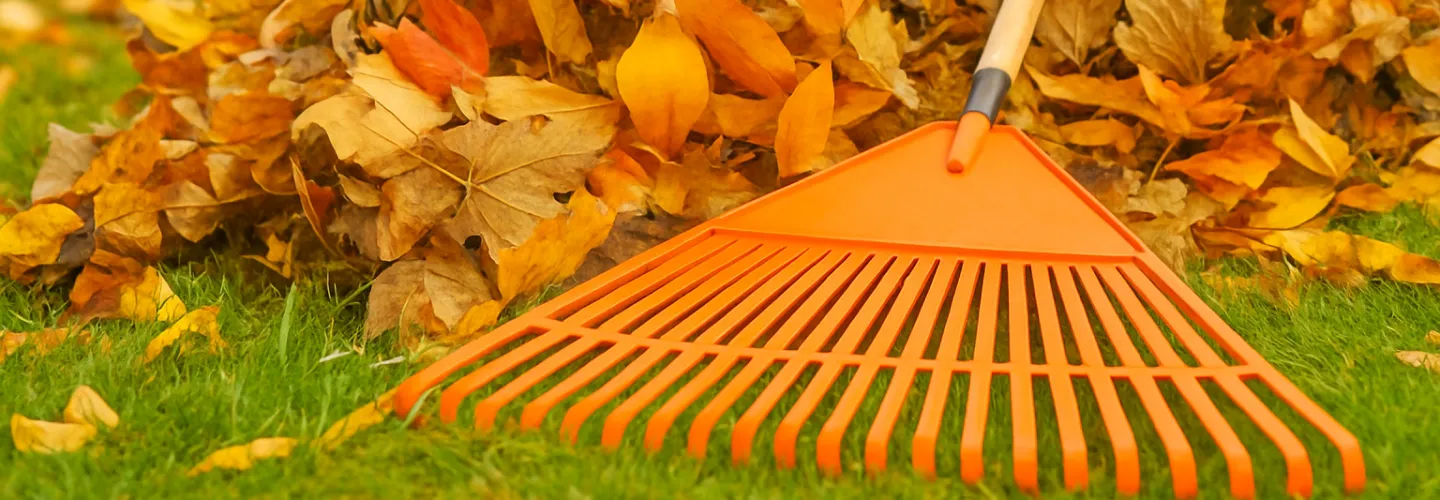
Glendale Plant Removal Services
Choose our plant removal services for safe, thorough, and environmentally responsible solutions that restore your landscape’s beauty and health—trusted by Glendale homeowners for reliability and care.
Get a Free QuoteOur Glendale Landscaping & Yard Care Services
When to Schedule Plant Removal in Glendale, Ohio – Seasonal Guide
In Glendale, Ohio, timing your plant removal is crucial for both the health of your landscape and compliance with local guidelines. The best periods for plant removal typically fall in late fall after the first frost or early spring before new growth begins. Glendale’s climate, characterized by humid summers and cold winters, means that soil conditions and plant dormancy play a significant role in determining the optimal window for removal. For example, neighborhoods near Glendale Square and the historic district often experience heavier shade coverage and denser tree canopies, which can affect soil moisture and accessibility.
Local environmental factors such as the average last frost date in April, periods of summer drought, and the clay-heavy soils common in areas like Oak Road and Sharon Avenue should all be considered. Additionally, municipal guidelines—available through resources like the Sudbury town website—may impact when and how plant removal can be performed. Consulting with a local expert ensures your project is timed for minimal disruption and maximum landscape health.
Local Factors to Consider for Plant Removal in Glendale
- Tree density and canopy coverage, especially in older neighborhoods
- Terrain and soil type, including clay-rich or sloped areas
- Seasonal precipitation patterns and risk of drought
- Local frost dates and plant dormancy periods
- Municipal restrictions or permit requirements
- Proximity to landmarks or protected green spaces
Benefits of Plant Removal in Glendale
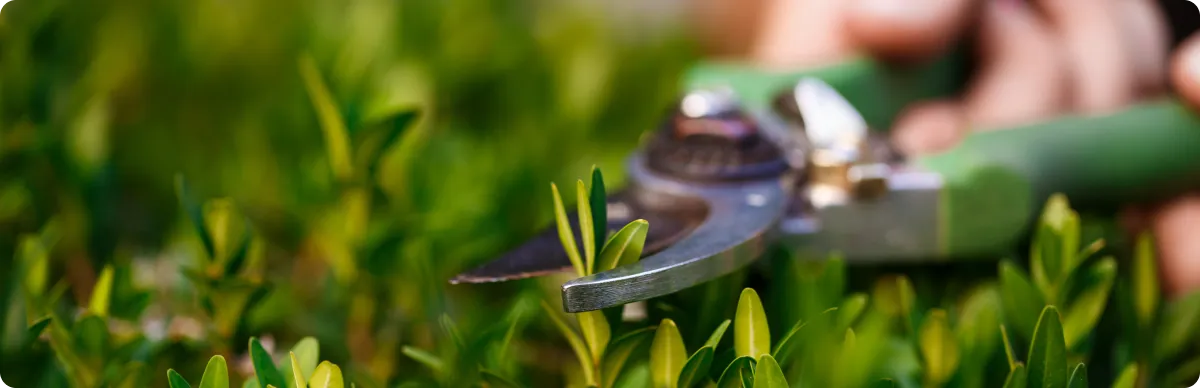
Improved Curb Appeal
Healthier Landscape
Pest Prevention
Enhanced Safety
Increased Property Value
Efficient Yard Maintenance
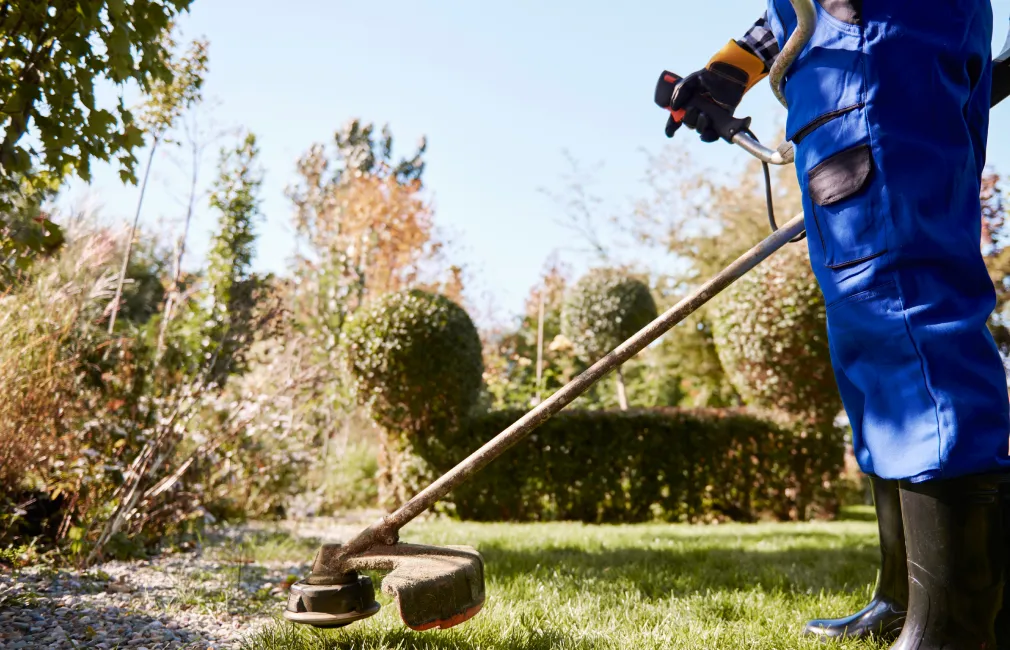
Glendale Plant Removal Types

Tree Removal
-
Shrub Removal
-
Stump Grinding
-
Invasive Species Removal
-
Root System Extraction
-
Hedge Removal
-
Groundcover Clearing
Our Plant Removal Process
Site Evaluation
Preparation and Safety Measures
Plant Uprooting
Debris Removal
Site Restoration
Why Choose Glendale Landscape Services
-
Glendale Homeowners Trust Us
-
Expert Lawn Maintenance
-
Competitive Pricing
-
Professional Team
-
Satisfaction Guarantee
-
Personalized Service
-
Reliable Scheduling
Glendale’s Plant Removal Ordinances and Permit Requirements
Plant removal activities in Glendale are governed by specific municipal ordinances to ensure public safety, environmental protection, and neighborhood character preservation. Removal of trees with a diameter at breast height (DBH) greater than 6 inches requires a permit from the Building and Zoning Department. Application fees typically range from $25 to $75, with a standard review period of 7-10 business days. Work hours for powered equipment are regulated as follows:
- Monday-Friday: 7:00 AM - 7:00 PM
- Saturday: 8:00 AM - 6:00 PM
- Sunday and holidays: Prohibited All plant debris must be disposed of according to village guidelines, prohibiting dumping in public rights-of-way or storm drains. For detailed permit procedures and ordinance text, consult the municipal code or contact:
Village of Glendale Building and Zoning Department
30 Village Square, Glendale, OH 45246
Phone: (513) 771-7821
Official Website: Village of Glendale Building and Zoning Department
Soil Series and Drainage Considerations for Plant Removal in Glendale
Glendale’s predominant soils, as identified by the USDA Web Soil Survey, include Miami silt loam and Rossmoyne silt loam, both characterized by moderate to poor drainage and a pH range of 6.0-6.8. These soils often exhibit seasonal water tables at 18-24 inches, requiring careful planning for root removal and site restoration. When removing plants, it is recommended to:
- Excavate to a depth of 12-18 inches for complete root removal
- Amend compacted soils with 2-3 inches of compost tilled to 6-inch depth
- Test soil pH and adjust with lime if below 6.0
- Avoid heavy equipment on saturated soils to prevent compaction Soil testing services and guidance are available through OSU Extension. Proper soil management supports successful replanting and minimizes erosion risk.
Environmental Compliance: Wetland Buffers and Stormwater Protection in Glendale
Plant removal near Glendale’s wetlands, streams, and stormwater infrastructure is subject to strict compliance with local and state environmental regulations. A 25-foot no-disturbance buffer is required from delineated wetlands and perennial streams, and all debris must be kept out of storm drains to comply with the village’s MS4 permit under the Clean Water Act. The Ohio Environmental Protection Act further prohibits disposal of plant material in waterways. Key compliance steps include:
- Maintain 25-foot buffer from wetlands and streams
- Use biodegradable bags for debris collection
- Schedule removal outside of heavy rain events to reduce runoff
- Report any accidental discharge to the Department of Public Works For environmental guidance and reporting, contact:
Village of Glendale Public Works Department
30 Village Square, Glendale, OH 45246
Phone: (513) 771-7821
Official Website: Village of Glendale Public Works Department
Professional Standards and Safety Protocols for Plant Removal in Glendale
All plant removal operations in Glendale must adhere to professional safety standards and municipal requirements. Operators are required to use:
- Eye protection: ANSI Z87.1 safety glasses
- Hearing protection: Earmuffs or plugs for equipment over 85 dB
- Footwear: Steel-toed boots with non-slip soles
- Gloves: Cut-resistant for pruning, chemical-resistant for herbicide use Maintain a 15-foot clearance from overhead utilities and a 10-foot buffer from property lines unless otherwise permitted. Equipment must be commercial-grade and maintained to minimize noise and emissions. For work near public roads, advance warning signage and traffic cones are mandatory. The Glendale Police Department may require traffic control plans for large projects.
Village of Glendale Police Department
301 E Sharon Avenue, Glendale, OH 45246
Phone: (513) 771-7645
Official Website: Village of Glendale Police Department
Seasonal Timing and Weather Considerations for Plant Removal in Glendale’s Climate
Glendale is located in USDA Hardiness Zone 6a, with average annual minimum temperatures of -10°F to -5°F. The optimal window for plant removal is March 15 to May 31 and September 1 to November 15, when soil temperatures range from 50°F to 65°F and ground conditions are neither frozen nor saturated. Avoid removal during June-August due to heat stress and in winter when soils are frozen. Monitor local weather forecasts through the National Weather Service Cincinnati Office to plan operations around rainfall and severe weather. Timing recommendations:
- Spring removal: March 15 - May 31
- Fall removal: September 1 - November 15
- Avoid: June-August (heat), December-February (frozen ground)
- Check soil moisture before heavy equipment use
What Neighborhoods Do We Serve Throughout Glendale, OH?
- Historic Glendale Village Center: Features mature tree canopies, compacted urban soils, and narrow streets requiring careful equipment access and adherence to historic district guidelines.
- Rossmoyne Estates: Characterized by larger lots, moderate slopes, and Miami silt loam soils with moderate drainage, necessitating erosion control during removal.
- Sharon Avenue Corridor: Contains mixed residential and commercial properties, frequent overhead utilities, and proximity to Glendale’s stormwater infrastructure, requiring strict debris containment.
- Oak Road District: Noted for dense landscaping, high clay content soils, and proximity to Glendale Parks, with additional restrictions on removal near public green spaces.
- Princeton Park Area: Includes newer developments with improved drainage, but HOA guidelines may impose additional plant removal restrictions and debris management standards.
- Woodlawn Border: Adjacent to wetlands and conservation areas, requiring compliance with buffer regulations and heightened environmental protections during removal.