
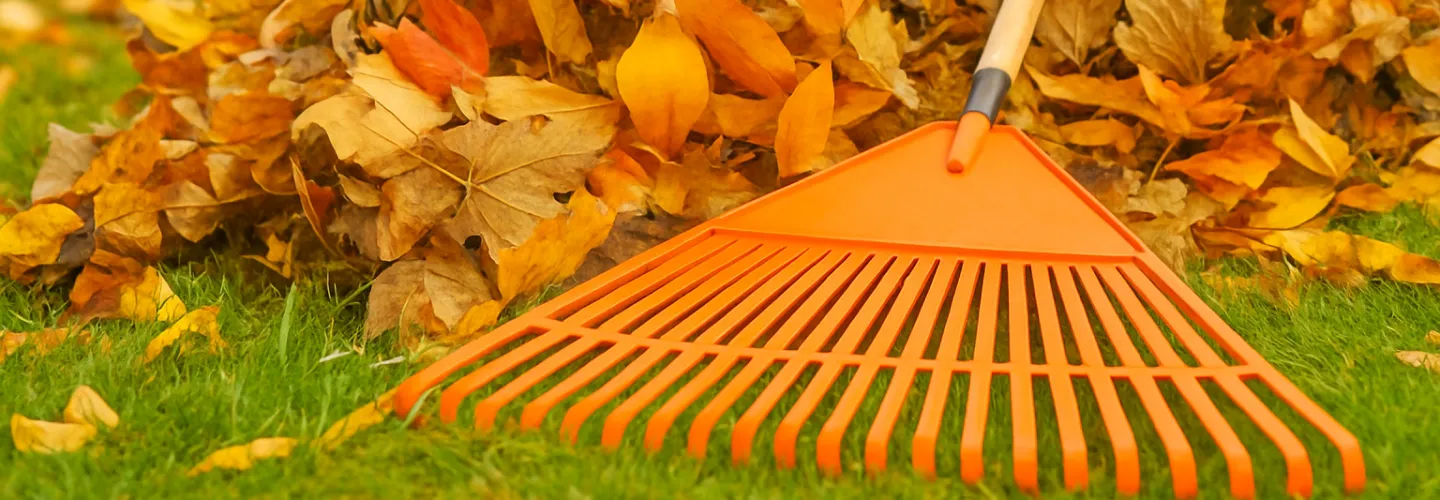
Glendale Lawn Edging Services
Choose our Lawn Edging for expert craftsmanship, durable materials, and a flawless finish that elevates your curb appeal and keeps your landscape looking pristine year-round.
Get a Free QuoteOur Glendale Landscaping & Yard Care Services
When to Schedule Lawn Edging in Glendale, Ohio – Seasonal Guide
In Glendale, Ohio, timing your lawn edging is crucial for maintaining crisp, healthy borders throughout the year. The best periods for lawn edging typically fall in early spring and late summer, when the soil is workable and grass growth is vigorous. Glendale’s climate, characterized by cold winters and humid summers, means that edging too early can be hampered by lingering frost, while late fall edging may be less effective due to dormant turf. Neighborhoods near the Glendale Lyceum or along Congress Avenue often experience varying shade coverage and soil moisture, which can influence the ideal schedule for edging.
Local environmental factors such as the region’s clay-heavy soils, risk of summer drought, and the prevalence of mature tree canopies in areas like Oak Road all play a role in determining the best time for this service. Homeowners should also be aware of municipal guidelines, which can be found on the town’s official website, to ensure compliance with local landscaping ordinances.
Local Factors to Consider for Lawn Edging in Glendale
- Tree density and shade coverage, especially in historic districts
- Soil type (clay vs. loam) and drainage patterns
- Seasonal precipitation and risk of summer drought
- Frost dates and spring soil thaw
- Terrain slope and accessibility
- Municipal restrictions or neighborhood association guidelines
Benefits of Lawn Edging in Glendale
Enhanced Curb Appeal
Weed Growth Prevention
Defined Landscape Borders
Low Maintenance Solutions
Increased Property Value
Professional Installation Expertise
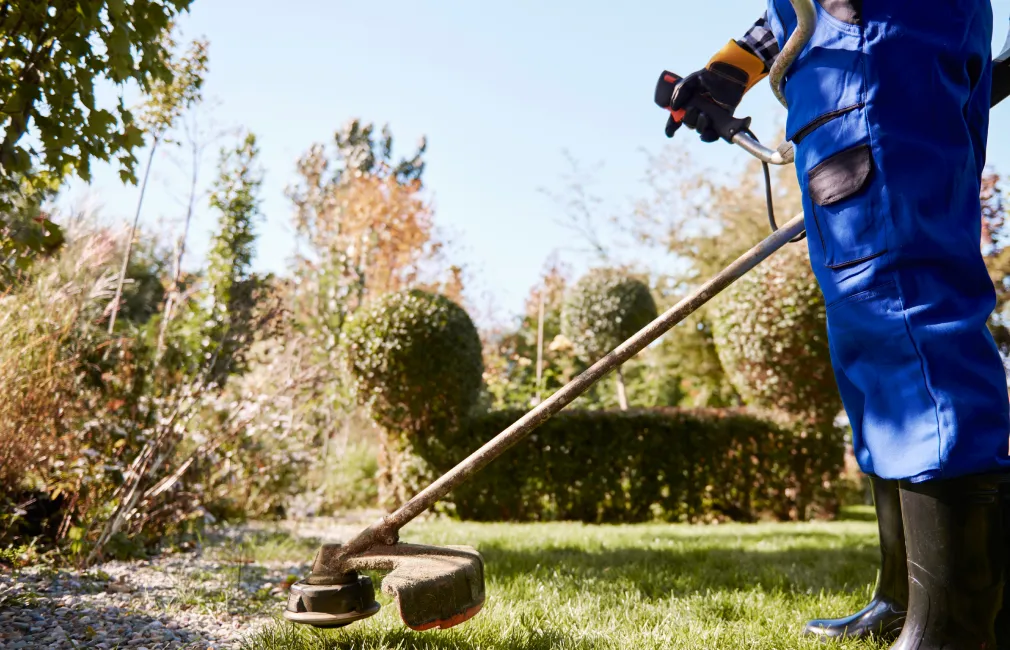
Glendale Lawn Edging Types

Brick Lawn Edging
-
Metal Lawn Edging
-
Plastic Lawn Edging
-
Stone Lawn Edging
-
Concrete Lawn Edging
-
Wood Lawn Edging
-
Rubber Lawn Edging
Our Lawn Edging Process
Site Evaluation
Marking Edges
Cutting Borders
Debris Removal
Final Inspection
Why Choose Glendale Landscape Services
-
Glendale Homeowners Trust Us
-
Expert Lawn Maintenance
-
Competitive Pricing
-
Professional Team
-
Satisfaction Guarantee
-
Personalized Service
-
Reliable Scheduling
Glendale’s Predominant Soil Series and Lawn Edging Depth Requirements
Lawn edging in Glendale, OH must account for the region’s dominant soil types, which include Miami silt loam and Rossmoyne silt loam, as identified by the USDA Web Soil Survey. These soils are moderately well-drained, with pH values typically ranging from 6.0 to 6.8, and can exhibit compaction in developed areas. For effective and durable edging, trenches should be cut to a depth of 4-6 inches, ensuring a clean separation between turf and planting beds. Soil compaction may require mechanical edging tools for consistent results. Before installation, it is advisable to conduct a soil test through OSU Extension (typical cost: $15-25) to determine if amendments such as lime or compost are needed. Incorporate 2-3 inches of compost to a 6-inch depth in compacted areas for improved root health and edge stability.
Municipal Ordinances and Equipment Operation Hours for Lawn Edging in Glendale
Glendale enforces specific regulations for lawn maintenance activities, including lawn edging, to minimize noise and disruption. Equipment operation is permitted during the following hours:
- Monday-Friday: 7:00 AM - 7:00 PM
- Saturday: 8:00 AM - 6:00 PM
- Sunday and holidays: Prohibited All power equipment must be maintained with functional mufflers, and noise levels should not exceed 85 decibels at property lines. Edging along public sidewalks or rights-of-way may require a permit from the Building and Zoning Department, with a standard application fee of $25 and a review period of 5-10 business days. For projects near public infrastructure, coordinate with the Department of Public Works.
Village of Glendale Public Works Department
30 Village Square, Glendale, OH 45246
Phone: (513) 771-7200
Official Website: Village of Glendale Public Works Department
Stormwater Compliance and Buffer Requirements for Edging Near Glendale Wetlands
Lawn edging adjacent to Glendale’s wetlands, streams, or stormwater features must comply with both local and state environmental regulations. The Ohio Environmental Protection Act and Glendale’s MS4 permit prohibit the discharge of soil, mulch, or grass clippings into storm drains or water bodies. Maintain a minimum 25-foot no-disturbance buffer from delineated wetlands and a 50-foot setback from perennial streams. All debris generated during edging must be collected and disposed of through Glendale’s yard waste program, which operates weekly on Thursdays from April through November. Use biodegradable bags or 32-gallon containers; plastic bags and branches over 4 inches in diameter are not accepted. For guidance on buffer delineation and compliance, consult Hamilton County Environmental Services.
Hamilton County Environmental Services
250 William Howard Taft Road, Cincinnati, OH 45219
Phone: (513) 946-7777
Official Website: Hamilton County Environmental Services
Seasonal Timing and Weather Considerations for Lawn Edging in Glendale
Glendale is located in USDA Hardiness Zone 6a, with average last frost dates in mid-April and first frost in late October. Optimal timing for lawn edging is early spring (April 15 - May 30) and early fall (September 1 - October 15), when soil moisture is moderate and turf growth is active. Avoid edging during peak summer heat (June-August) to prevent turf stress and soil compaction. Monitor local weather forecasts through the National Weather Service Cincinnati Office to avoid scheduling work during heavy rainfall, which can increase erosion risk and reduce edge stability. For large projects, check for seasonal restrictions or special advisories issued by the Village of Glendale.
Professional Standards and Safety Protocols for Lawn Edging in Glendale
All lawn edging work in Glendale must adhere to professional safety and equipment standards. Operators are required to use:
- Eye protection: ANSI Z87.1 safety glasses
- Hearing protection: Earmuffs or plugs for 85+ dB noise
- Footwear: Steel-toed boots with non-slip soles
- Gloves: Cut-resistant for manual edging, chemical-resistant for herbicide use Maintain a 15-foot clearance from overhead utilities and public walkways during operation. Commercial-grade edging equipment should be inspected and blades sharpened every 20-25 hours of use. For work near public roads, set up advance warning signs at least 100 feet from the work zone. The Village of Glendale Building and Zoning Department provides guidance on safety protocols and can advise on additional requirements for projects in high-traffic or public areas.
Village of Glendale Building and Zoning Department
30 Village Square, Glendale, OH 45246
Phone: (513) 771-7200
Official Website: Village of Glendale Building and Zoning Department
What Neighborhoods Do We Serve Throughout Glendale, OH?
- Historic Glendale Village: Characterized by mature trees, narrow streets, and Miami silt loam soils, this area often requires careful edging to protect historic landscapes and comply with local preservation guidelines.
- Princeton Park: Features newer developments with Rossmoyne silt loam, moderate drainage, and larger lot sizes, allowing for mechanical edging and easier equipment access.
- Oak Road District: Known for its proximity to wetlands and Glendale Parks, this neighborhood requires strict adherence to buffer requirements and stormwater compliance during edging.
- Congress Avenue Area: Contains a mix of residential and commercial properties, with compacted soils and higher foot traffic, necessitating durable edging materials and frequent maintenance.
- Woodlawn Border: Adjacent to the Woodlawn boundary, this area experiences variable drainage and occasional flooding, making soil stabilization and proper debris disposal critical.
- Glendale Forest: Located near conservation areas, this neighborhood has dense tree cover and sensitive habitats, requiring manual edging methods and compliance with environmental protection standards.