
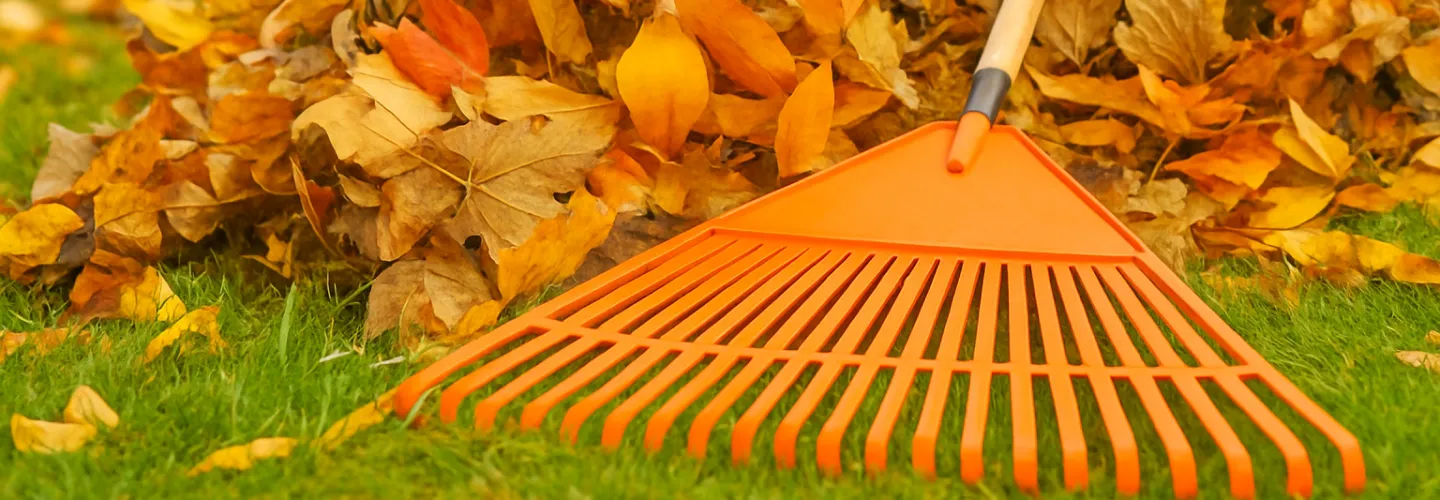
Glendale Leaf Removal Services
Choose our expert leaf removal for a hassle-free, thorough cleanup that keeps your yard healthy, safe, and looking its best all season long.
Get a Free QuoteOur Glendale Landscaping & Yard Care Services
When to Schedule Leaf Removal in Glendale, Ohio – Seasonal Guide
In Glendale, Ohio, the best time to schedule leaf removal is typically from late October through early December, when the majority of deciduous trees—such as those lining Oak Road and the historic Glendale Square—have shed their leaves. Glendale’s climate features cool autumns with moderate rainfall, and the first frost usually arrives in early November. This timing is crucial, as removing leaves before heavy frost or winter precipitation helps protect your lawn from mold, compaction, and nutrient loss.
Local environmental factors play a significant role in determining the ideal schedule for leaf removal. For example, properties near the wooded areas of Washington Park or those with dense shade coverage may experience slower leaf decomposition and higher humidity, increasing the risk of turf disease. Soil type also matters; Glendale’s clay-rich soils can retain moisture, making timely leaf removal even more important to prevent root suffocation. For more information on local environmental guidelines, visit the Sudbury municipal resource.
Local Factors to Consider for Leaf Removal in Glendale
- Tree density and species variety (e.g., maples and oaks drop leaves at different times)
- Proximity to landmarks like Glendale Lyceum or wooded neighborhoods
- Terrain and drainage patterns, especially in areas with sloped lawns
- Typical precipitation and humidity levels during fall
- Municipal restrictions or scheduled leaf collection dates
- Soil composition (clay vs. loam) and its impact on moisture retention
- Shade coverage from mature trees or nearby structures
Benefits of Leaf Removal in Glendale

Enhanced Curb Appeal
Prevents Lawn Damage
Reduces Pest Infestations
Improves Lawn Health
Saves Time and Effort
Professional and Reliable Service
Glendale Leaf Removal Types

Seasonal Leaf Cleanup
Efficient removal of fallen leaves during peak autumn months.
-
Curbside Leaf Collection
Leaves are gathered and placed at the curb for municipal pickup.
-
Leaf Mulching Services
Leaves are shredded and used as mulch to enrich your landscape.
-
Gutter Leaf Removal
Clearing leaves from gutters to prevent blockages and water damage.
-
Lawn Vacuuming
Specialized equipment vacuums leaves from lawns and hard-to-reach areas.
-
Bagged Leaf Pickup
Collected leaves are bagged and removed from your property.
-
On-Site Leaf Composting
Leaves are composted on your property for eco-friendly disposal.
Our Leaf Removal Process
Site Evaluation
Leaf Gathering
Collection and Removal
Final Inspection
Why Choose Glendale Landscape Services

-
Glendale Homeowners Trust Us
-
Expert Lawn Maintenance
-
Competitive Pricing
-
Professional Team
-
Satisfaction Guarantee
-
Personalized Service
-
Reliable Scheduling
Glendale’s Leaf Collection Program: Schedules, Containers, and Ordinance Compliance
Leaf removal in Glendale is governed by a structured municipal collection program designed to maintain public safety and environmental quality. Weekly curbside pickup occurs every Thursday from April through November. Residents must use biodegradable paper bags or reusable bins (32-gallon maximum) for leaf disposal; plastic bags and branches over 4 inches in diameter are prohibited. Leaves should be placed at the curb no earlier than 24 hours before collection to prevent stormwater obstruction. Equipment operation for leaf removal is permitted during the following hours:
- Monday-Friday: 7:00 AM - 7:00 PM
- Saturday: 8:00 AM - 6:00 PM
- Sunday and holidays: Prohibited
Violations of Glendale’s municipal code may result in fines. For detailed collection schedules and ordinance information, coordinate with the Department of Public Works.
Village of Glendale Public Works Department
30 Village Square, Glendale, OH 45246
Phone: (513) 771-7200
Official Website: Village of Glendale Public Works Department
Soil Series and Drainage Considerations for Leaf Removal in Glendale
Glendale’s predominant soils, including Miami silt loam and Rossmoyne silt loam, are moderately well-drained with a pH range of 6.0-6.8, according to the USDA Web Soil Survey. These soils can become compacted in high-traffic areas, impeding water infiltration and increasing runoff risk if leaves are not removed promptly. Accumulated leaves may exacerbate drainage issues, especially in low-lying areas or near Glendale’s historic tree-lined streets. Best practices include:
- Removing leaves before heavy rainfall to prevent matting and water pooling
- Avoiding leaf piles on driveways and sidewalks to reduce compaction
- Incorporating composted leaves into garden beds to improve soil structure
For soil testing and amendment recommendations, consult OSU Extension, which provides local soil analysis and management guidance.
Environmental Compliance: Stormwater, Wetlands, and State Regulations in Glendale
Proper leaf removal in Glendale is essential for compliance with the Ohio Environmental Protection Act and the village’s MS4 stormwater permit, which prohibits yard waste from entering storm drains. Properties adjacent to wetlands or Glendale’s protected parklands must maintain a 25-foot no-disturbance buffer, ensuring no leaf debris is deposited within this zone. Key compliance steps include:
- Never raking leaves into the street or storm drains
- Maintaining buffer zones along creeks and wetlands
- Using only approved containers for curbside collection
State and federal regulations, including the Clean Water Act, require municipalities to prevent organic debris from polluting waterways. For questions on environmental compliance, contact Hamilton County Environmental Services.
Hamilton County Environmental Services
250 William Howard Taft Road, Cincinnati, OH 45219
Phone: (513) 946-7777
Official Website: Hamilton County Environmental Services
Seasonal Timing and Weather Guidance for Leaf Removal in Glendale’s Climate Zone
Glendale is located in USDA Hardiness Zone 6a, with average first frost in late October and last frost in mid-April. Leaf drop typically peaks from mid-October through mid-November, requiring intensified removal efforts during this period. The National Weather Service Cincinnati office provides local forecasts to help schedule removal before major precipitation events. Recommended timing includes:
- Weekly removal from October 15 to November 30
- Prioritizing removal before forecasted rain to prevent stormwater blockages
- Avoiding removal during saturated soil conditions to minimize compaction
Monitoring weather patterns and soil moisture helps optimize removal efficiency and protect Glendale’s infrastructure.
Safety Protocols and Equipment Standards for Leaf Removal in Glendale
All leaf removal activities in Glendale must adhere to municipal safety standards and equipment regulations. Operators are required to use commercial-grade blowers and vacuums equipped with functioning mufflers, maintaining noise levels below 85 decibels at property lines. Personal protective equipment (PPE) is mandatory:
- Eye protection: ANSI Z87.1 safety glasses
- Hearing protection: Earmuffs or plugs for 85+ dB
- Footwear: Steel-toed, non-slip boots
- Gloves: Cut-resistant for handling debris
Maintain a 15-foot clearance from overhead utilities and public roadways during operation. For work near public spaces or parks, coordinate with the Glendale Parks Department.
Village of Glendale Parks
30 Village Square, Glendale, OH 45246
Phone: (513) 771-7200
Official Website: Village of Glendale Parks
What Neighborhoods Do We Serve Throughout Glendale, OH?
- Historic Glendale Village: Characterized by mature tree canopies and narrow streets, this area requires frequent leaf removal to prevent storm drain blockages and maintain historic streetscapes.
- Rossmoyne Estates: Features larger lots with Miami silt loam soils and moderate drainage, necessitating regular removal to avoid compaction and water pooling.
- Oak Hill District: Known for its sloped terrain and proximity to Glendale’s parks, leaf accumulation can increase runoff risk and requires careful management near protected areas.
- Princeton Park Area: Contains newer developments with compacted fill soils and smaller lot sizes, where leaf buildup can quickly impact drainage and access.
- Woodlawn Border: Adjacent to wetlands and conservation zones, this neighborhood must observe strict 25-foot buffer requirements and avoid debris near sensitive habitats.
- Village Square Commercial: Public spaces and business fronts require daily removal during peak season to ensure pedestrian safety and compliance with municipal appearance standards.